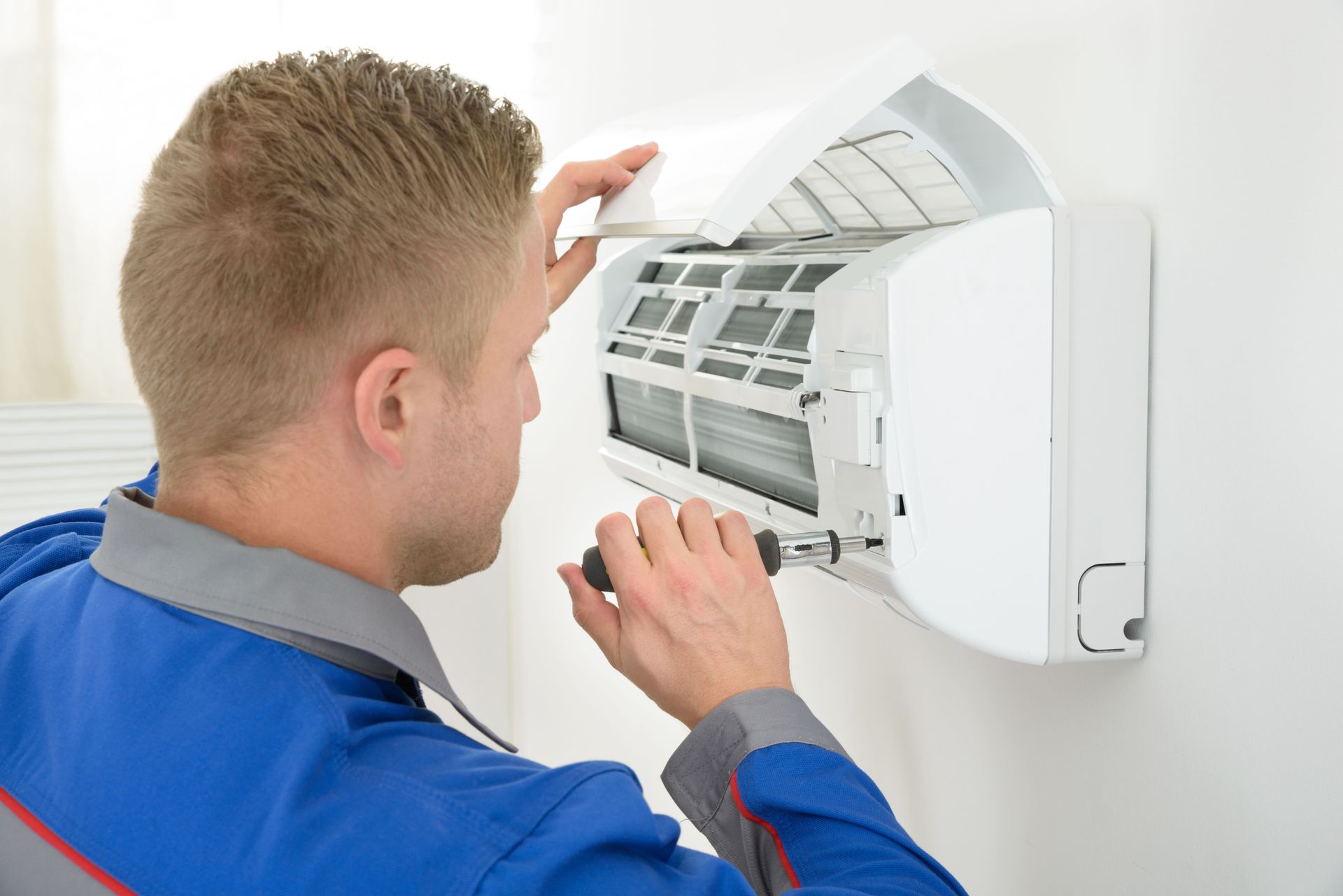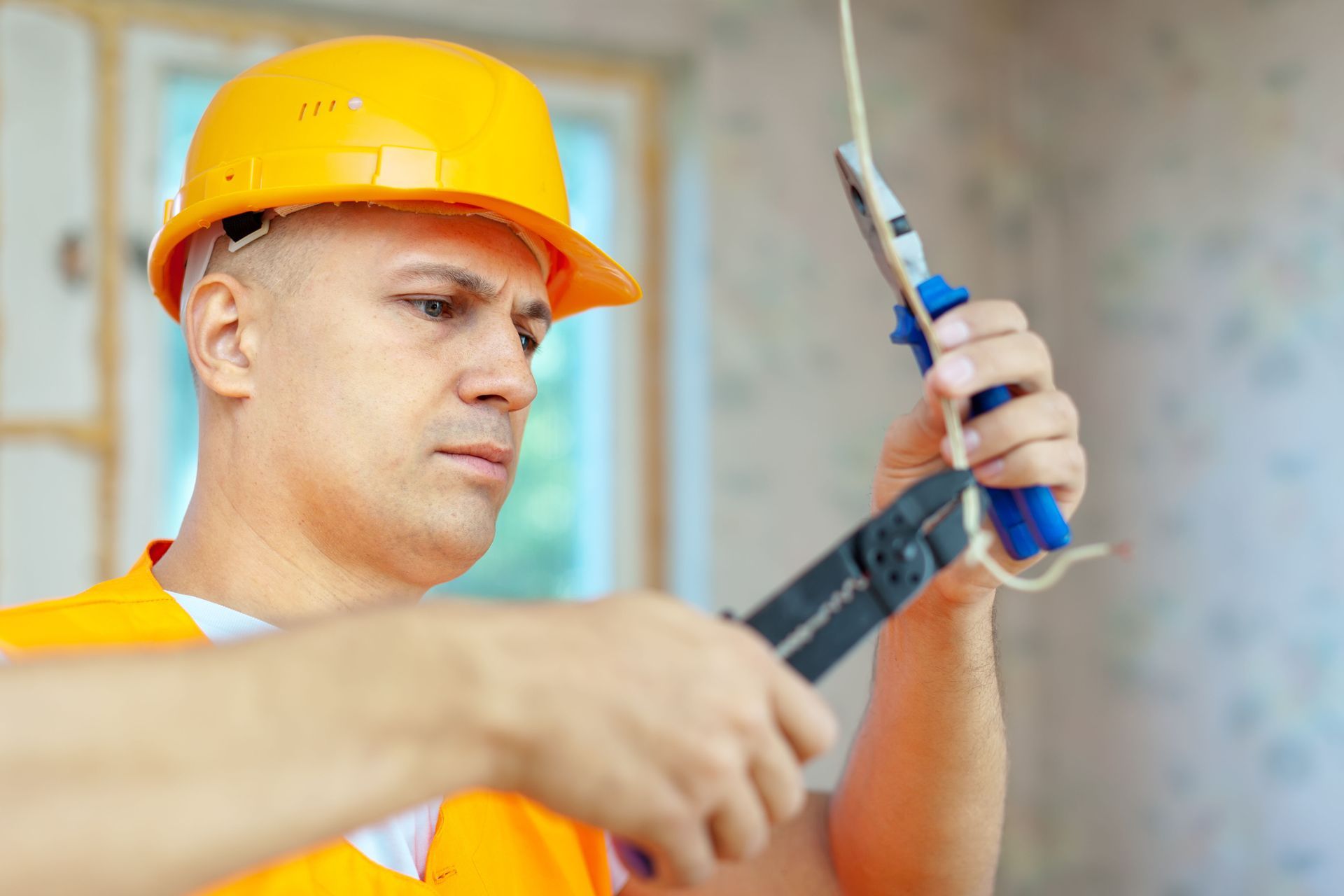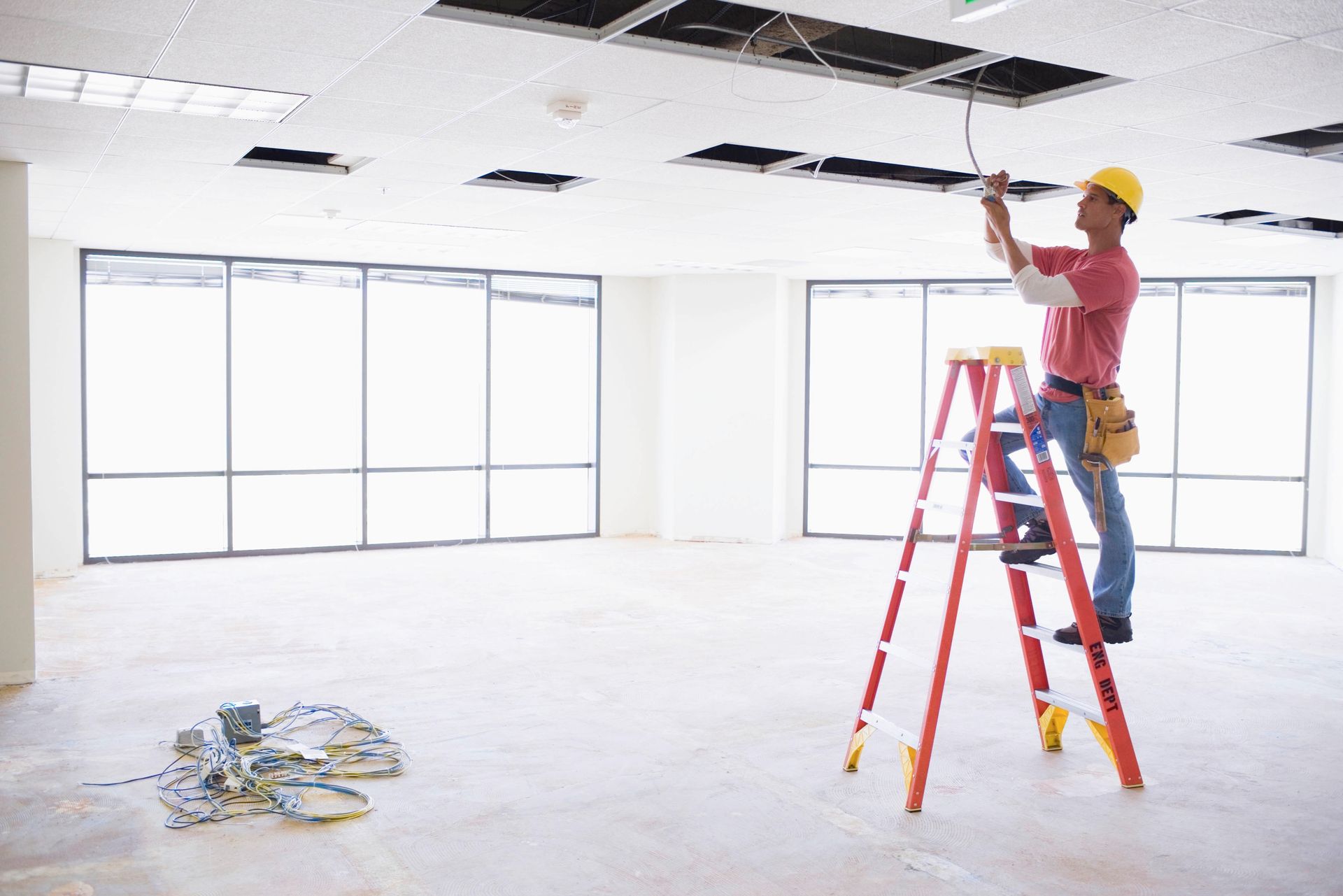
Hidden wiring problems in homes pose challenges due to their concealed nature. These issues often go unnoticed until they cause major malfunctions or safety hazards. Professional electricians are critical for identifying and resolving these problems safely and effectively. Their expertise ensures repairs are done according to electrical codes, minimizing risk and maintaining system integrity.
DIY electrical repairs can be dangerous. Electricians use specialized tools and techniques to diagnose tricky electrical problems, ensuring both safety and compliance. Their training helps prevent electric shock, fires, and costly mistakes, making professional intervention the safest approach.
Understanding the Basics of Electrical Systems
Components of Electrical Systems
Home electrical systems include wiring, outlets, switches, circuit breakers, and fuses. Wiring carries electricity, outlets and switches deliver it, and breakers and fuses protect against overloads. Electricians inspect each component, checking for wear, corrosion, or faults, and use this knowledge to pinpoint issues efficiently. Regular assessments by electricians prevent small problems from escalating.
Electricians also educate homeowners about the function of each component, helping them understand warning signs like tripped breakers or warm switches. Knowing what to watch for allows homeowners to act quickly, minimizing risks and avoiding costly damage. Preventive measures, such as keeping outlets unobstructed and not overloading circuits, complement the work of electricians in maintaining a safe home.
Common Types of Wiring in Homes
Typical wiring types include non-metallic (NM) sheathed cables, armored cables (AC), and older knob-and-tube wiring. NM cables are common in modern homes for lighting and outlets. Armored cables offer extra protection in exposed areas, while knob-and-tube wiring is largely outdated due to safety concerns. Choosing the correct wiring type ensures safe and efficient electrical systems.
With full home electrification on the rise, proper wiring and panel capacity are more important than ever. According to Rewiring America, roughly 60% to 70% of American households have electrical panels rated at less than 200 amps, which may require upgrades to support increased electrical demands. Electricians often recommend reviewing and updating wiring to accommodate modern appliances safely.
Updating older wiring is crucial for energy efficiency, reduced fire risk, and the ability to handle new technologies such as smart home devices or electric vehicle charging stations.
Reading Wiring Schematics
Wiring schematics illustrate the layout and connections of circuits. Electricians rely on these diagrams to trace problems, detect faults, and ensure repairs comply with design standards. Mastery of schematics allows electricians to troubleshoot efficiently, especially in complex systems with multiple circuits, smart home technology, or integrated security and climate systems.
For larger homes or systems with renovations, electricians often create updated schematics to reflect any changes. This ensures that future maintenance or upgrades can be performed accurately and safely. Schematics also serve as a training tool for apprentices or less experienced electricians, supporting consistency and quality across teams.
The Role of Circuit Breakers and Fuses
Circuit breakers and fuses protect electrical systems by interrupting excess current flow. Electricians inspect these devices for wear and ensure they are rated correctly to handle household loads. Upgrading breakers or panels may be necessary in homes with higher electrical demand, especially with more devices and electrification trends.
Electricians also advise homeowners on proper usage of breakers, such as avoiding frequent resets and understanding when a recurring trip signals a deeper problem. Ignoring these signs can cause severe damage to wiring or appliances. Knowledgeable electricians can design systems to distribute loads evenly, reducing the chance of frequent trips or blown fuses.
Power Distribution Concepts
Electricians design power distribution systems to deliver electricity safely from the main panel to outlets and appliances. Panels act as hubs controlling the flow to circuits. Proper distribution prevents overloads, protects appliances, and ensures efficient operation. Regular inspection and strategic planning by electricians maintain system reliability and safety.
Modern electricians may also integrate renewable energy sources like solar panels or battery storage into home systems. These additions require careful planning to ensure compatibility with existing circuits, correct panel sizing, and safe wiring practices. A professional electrician can provide solutions that maximize efficiency, reduce energy costs, and maintain compliance with local codes.
Identifying Hidden Wiring Problems
Electrical Odors
Burning or scorched smells often indicate overheating wiring or components. Electricians use thermal cameras and inspections to locate faults and prevent fires. Early detection is critical for safety and minimizing damage. Homeowners should never ignore these odors, as delayed intervention increases the risk of property damage or personal injury.
Unusual Sounds
Buzzing or humming from outlets, switches, or breakers can signal loose connections or overloaded circuits. Electricians diagnose these issues, sometimes recommending upgrades such as higher-rated breakers or panel replacements to handle modern electrical loads safely. Persistent sounds often indicate systemic problems that may affect multiple circuits, requiring a professional evaluation.
Flickering Lights and Inconsistent Power
Flickering lights often result from loose wiring, overloaded circuits, or aging components. Electricians assess circuits, redistribute loads, and upgrade panels or wiring as needed. Addressing these issues ensures reliable and safe power delivery. Preventing flickering is also essential for protecting sensitive electronics from voltage fluctuations that can reduce lifespan or cause failures.
Physical Signs
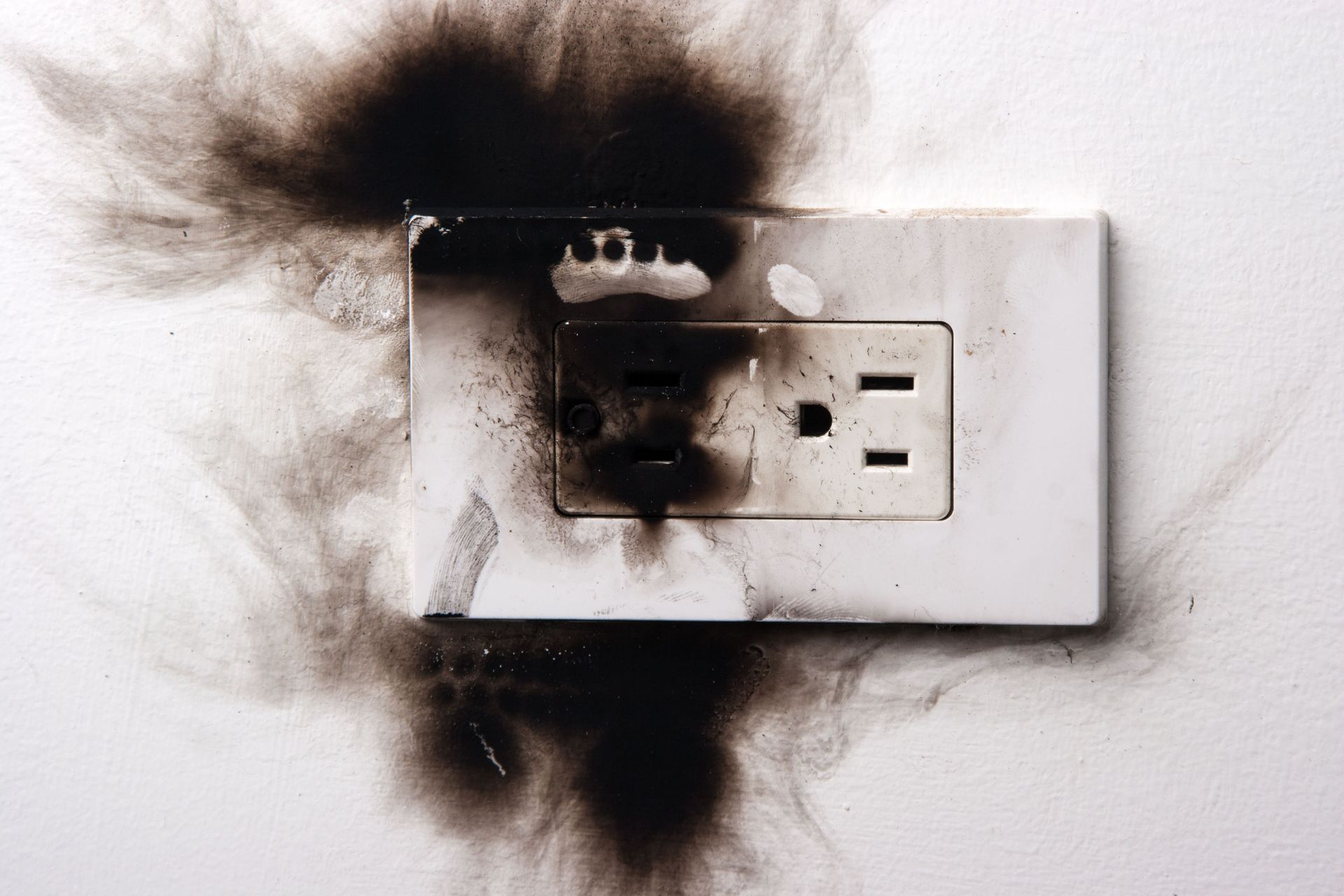
Wall discoloration behind outlets, warm switches, or other heat indicators suggests wiring problems. Electricians investigate these signs using thermal imaging and repair or replace components as needed. Detecting heat build-up early prevents fires and maintains system integrity. Regular visual inspections combined with professional maintenance help homeowners catch issues before they escalate.
Circuit Breaker Panel Indicators
Frequent tripping, corrosion, or outdated breakers indicate underlying problems. Electricians evaluate panel capacity, inspect for wear, and recommend upgrades if necessary. Modern panels rated above 200 amps often accommodate full home electrification and ensure safety and efficiency. Panels are often the first line of defense against overloaded circuits, making their assessment a priority during routine electrical checkups.
Diagnostic Tools and Techniques
Multimeters
Electricians use multimeters to measure voltage, current, and resistance. These tools help detect faults, verify circuit continuity, and confirm proper wiring. Accurate readings enable electricians to identify potential problems before they escalate. Multimeters are also used to test appliances, ensuring safe operation and preventing electrical hazards.
Infrared Cameras
Infrared cameras detect overheating by visualizing heat signatures. Electricians can locate hidden hot spots in wiring and panels without invasive procedures. This proactive approach prevents electrical fires and improves system reliability. Thermal imaging is particularly useful in walls or ceilings where wiring is not accessible, allowing precise interventions with minimal disruption.
Advanced Tracing and Testing Tools
Electricians also use circuit tracers, voltage testers, and continuity testers to pinpoint faults. These tools allow for precise repairs, minimizing disruptions and ensuring all components function safely. Combined with professional expertise, these diagnostic tools enable electricians to resolve hidden wiring problems efficiently, saving homeowners time, money, and potential hazards.
Hidden wiring issues pose serious safety and operational challenges in homes. Electricians provide expertise in detecting, diagnosing, and repairing these problems, ensuring electrical systems remain safe and reliable. Through advanced tools, inspections, and systematic strategies, electricians protect homes from hazards while maintaining efficient power distribution. By addressing odors, unusual sounds, flickering lights, and other warning signs, electricians prevent minor issues from becoming major risks. Preventive maintenance, panel upgrades, and expert guidance ensure modern homes can safely accommodate increased electrical demands and support full home electrification. Hiring qualified electricians ensures both safety and peace of mind, protecting your home and its occupants while keeping electrical systems efficient and reliable. For more information, contact Byrne Electrical Contracting.