By Paul Byrne
August 3, 2026
Electricity is an essential part of modern living, powering everything from kitchen appliances and cooling systems to entertainment setups and home office devices. Because electric power is so seamless and reliable, it can easily lead to a false sense of security. Beneath the surface, residential electrical systems carry significant power that can cause severe harm or property damage if mishandled. Electrical mishaps happen quickly and often without warning, leaving homeowners unsure of how to respond safely. Understanding how power flows through a living space and recognizing the potential dangers of faulty components can mean the difference between a minor inconvenience and a catastrophic disaster. Safety must always remain the highest priority whenever dealing with power outlets, fixtures, or wiring.
Recognizing the Serious Nature of Electrical Accidents
The severity of an electrical mishap is often underestimated because the current remains hidden inside insulated wires and wall structures. However, improper handling of household current can lead to extreme thermal burns, muscle contractions, cardiac arrest, or structural fires. According to the National Center for Biotechnology Information, electrical injuries cause roughly 1,000 deaths in the U.S. each year. This sobering statistic highlights the necessity of treating every electrical fault with extreme caution and respect. Taking unnecessary risks around active currents can have tragic consequences. Recognizing that electricity always seeks the shortest route to the ground reinforces why proper safety measures are vital during unexpected household emergencies.
Taking Immediate Actions During an Electrical Incident
When an electrical emergency occurs, keeping a calm head and taking immediate, methodical action is vital for mitigating damage and saving lives. Your very first priority during any malfunction, whether it involves a sparking outlet, a smoking appliance, or an overloaded circuit, should be to cut off power at the main breaker box if it is safe to access. Shutting off the main power switch stops the flow of current instantly and prevents the situation from worsening. If a person is currently experiencing an active shock from an appliance or bare wire, never touch them directly with your bare hands, as your body will conduct the current and make you an additional victim. Instead, disconnect the power source or use a dry, non-conductive object like a wooden broom handle to separate the individual from the live component before calling emergency medical services. In situations involving localized electrical fires, remember that water must never be used to extinguish the flames, as water acts as a rapid conductor and dramatically increases the risk of severe shock. Small electrical fires should only be tackled using a designated Class C fire extinguisher, and if the fire grows beyond immediate control, evacuating the property and dialing emergency responders is the only safe option.
Avoiding Dangerous Mistakes When Handling Power Issues
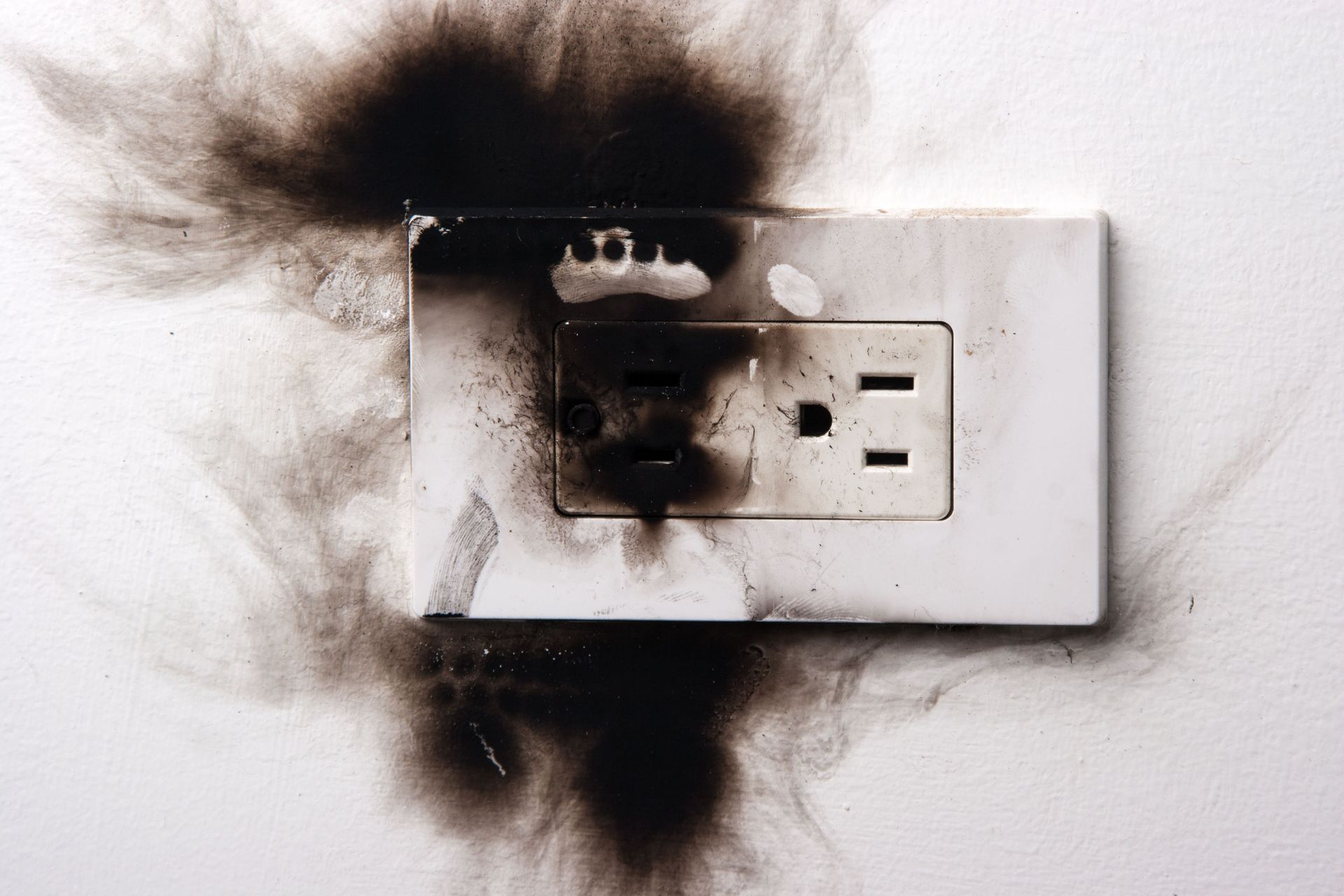
Navigating an active electrical hazard requires equal parts knowing what to do and knowing what to avoid completely. One of the most common and dangerous mistakes individuals make is attempting to investigate or fix active electrical faults without disabling the main power source beforehand. Working on live circuits introduces an immediate risk of arc flashes and severe shock. Another critical error is ignoring warning signs like burning smells, warm wall plates, buzzing sounds, flickering lights, or switches that feel hot to the touch. These subtle signs often indicate loose connections, degraded insulation, or overloading deep within the wall cavity, all of which pose severe fire risks if ignored. Additionally, using makeshift fixes like taping over exposed wires, overloading extension cords, or bypassing flipped breakers by repeatedly forcing them back on will only compound the problem. Overloading electrical circuits beyond their rated capacity causes wires to heat up dramatically, melting insulation and potentially igniting surrounding building materials. Never attempt complex wiring repairs or main panel upgrades yourself without consulting a licensed electrician who possesses the specialized training required for high-voltage work.
Knowing When to Call an Electrician for Guidance
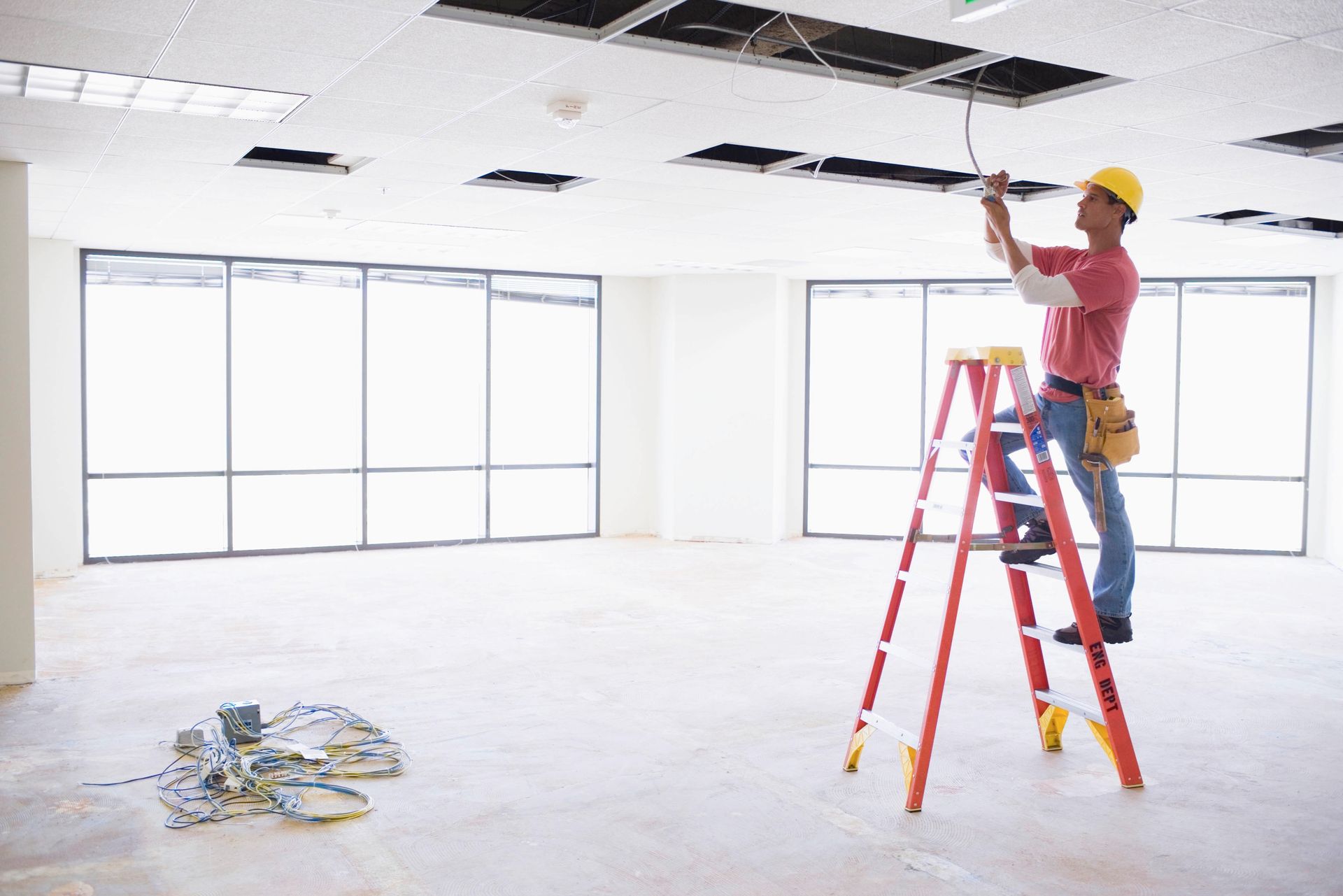
Homeowners frequently wonder at what point a DIY approach crosses the line into dangerous territory. As a general rule of thumb, minor tasks like replacing a light bulb or switching out a decorative cover plate are safe for most adults, but anything involving direct access to live wiring or the service panel demands professional expertise. You should call a certified electrician whenever you experience frequent breaker trips that persist even after reducing the load on that specific circuit. Persistent breaker trips indicate an underlying short circuit, ground fault, or failing component that requires professional diagnostic tools to resolve safely. If you notice persistent burning odors coming from outlets, outlets that spark noticeably when plugging in devices, or outlets that show visible discoloration or charring, you need the skills of a qualified electrician right away. Furthermore, if your property still utilizes outdated knob-and-tube or aluminum wiring, bringing in a seasoned electrician to evaluate and update your system is critical for long-term safety and meeting modern building codes.
Seeing What Professional Care Involves During Repairs
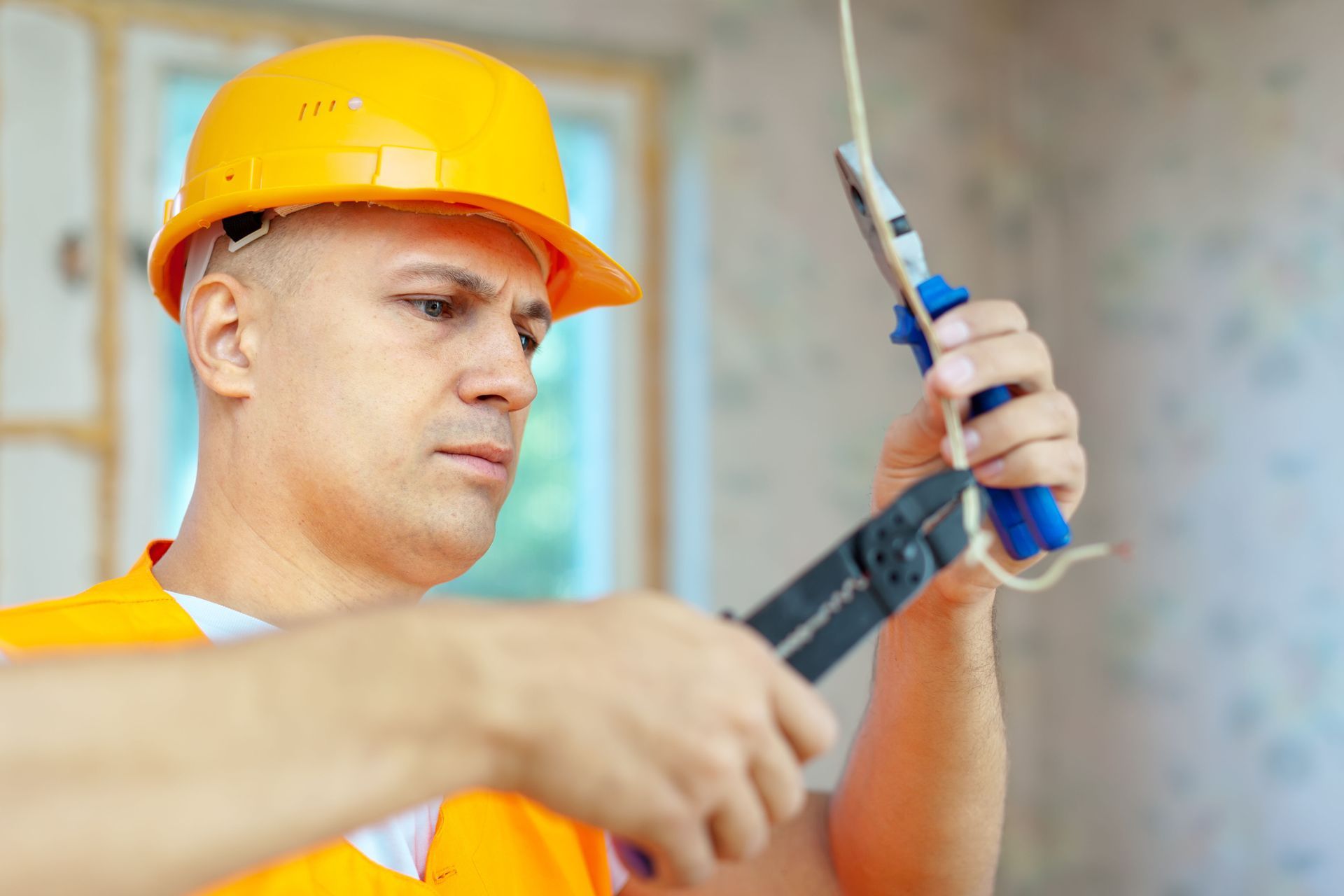
When an expert steps into your home to handle a complex issue, they bring specialized testing equipment, protective gear, and extensive knowledge of safety standards. A residential electrician will perform comprehensive diagnostics to trace hidden short circuits, assess wire degradation, and evaluate the overall health of your main panel. Attempting to bypass these diagnostic steps on your own often leads to misidentifying the root cause, which leaves dangerous conditions active inside your walls. A trained electrician ensures that all connections are secured to exact torque specifications, that grounding mechanisms function properly, and that safety devices like ground fault circuit interrupters and arc fault circuit interrupters are placed correctly throughout moisture-prone areas like kitchens and bathrooms. Hiring a master electrician provides invaluable peace of mind, knowing that your home's infrastructure meets code and operates safely for years to come.
Establishing Preventive Habits for Home Safety
While knowing how to respond to an active crisis is essential, establishing proactive home safety habits is the most effective way to prevent electrical emergencies entirely. Regularly inspect appliance cords for fraying or cracked insulation, and replace damaged cords immediately rather than attempting quick patches with electrical tape. Avoid running extension cords beneath rugs, carpets, or furniture where heat can become trapped, and foot traffic can degrade the internal wires. Ensure that outlets located near sinks, tubs, and outdoor areas are equipped with functional reset buttons and protective covers to block moisture intrusion. Scheduling periodic inspections with a skilled electrician allows you to catch minor structural wear, loose terminals, or panel overload issues before they evolve into full-blown emergencies. Investing in routine preventative maintenance ultimately protects both your household members and your property investments over time.
Being prepared for an electrical event involves more than just keeping a fire extinguisher handy; it requires a clear plan that every household member understands. Make sure everyone in your home knows where the main circuit breaker panel is located and how to operate the primary disconnect switch in an emergency. Keep a dependable flashlight stored near the breaker panel so you can navigate safely during a sudden power outage without relying on open flames like candles. Keep the direct phone number of a trusted local electrician stored alongside emergency services on your phone and posted on the refrigerator for quick access. Educating children on the dangers of sticking objects into outlets or playing with cords creates a safer environment for everyone. By combining preventative care, clear emergency protocols, and professional expertise when needed, you can maintain a comfortable and secure living environment free from electrical hazards. Contact Byrne Electrical Contracting Inc today to schedule a comprehensive safety inspection and ensure your home's electrical system remains safe, reliable, and up to code.