Electricity is essential to modern living, powering everything from lighting and heating systems to appliances, electronics, and security devices. While it brings convenience and comfort, it also presents serious risks when not handled properly. Electrical hazards can lead to fires, injuries, costly repairs, and long-term property damage. For homeowners, understanding and practicing safe electrical habits is not optional—it is critical for protecting families, guests, and valuable assets. By following proven safety strategies and working with qualified local electricians, homeowners can reduce risks and ensure their electrical systems remain reliable. This guide explores the most important safety tips every homeowner should follow, providing practical insight into prevention, maintenance, and emergency preparedness. Adopting a proactive approach to electrical care helps identify potential issues early and prevents small problems from escalating into major hazards. Consistent attention to safety also supports long-term efficiency, comfort, and peace of mind within the home.
1. Understand Your Home’s Electrical System
Knowing how your home’s electrical system works is the foundation of safety. Every system includes a main electrical panel, circuit breakers, wiring, outlets, and switches, all working together to distribute power safely. Familiarity with these components helps homeowners respond quickly when problems arise. Understanding which breaker controls specific rooms or appliances allows for fast shutdowns in emergencies and simplifies troubleshooting. Clear labeling of circuits saves time, reduces confusion, and minimizes risk when performing minor tasks or communicating with local electricians.
Regular panel maintenance is also essential. Dust buildup, corrosion, and loose connections can compromise performance and increase the risk of overheating. Annual professional inspections help catch small issues before they escalate into dangerous situations. According to the 2025 U.S. Houzz & Home Study, 41% of homeowners tackling renovations hired an electrician for their projects in 2024, highlighting the importance of professional involvement. Scheduling inspections with local electricians ensures compliance with safety codes while extending the lifespan of electrical systems. Routine care, paired with homeowner awareness, creates a strong safety foundation that supports every other precaution in the home.
2. Use Electrical Outlets Safely
Outlets are among the most frequently used components in any home, yet they are often overlooked when it comes to safety. Overloading outlets by plugging in too many devices can cause overheating and increase the risk of electrical fires. High-energy appliances should always be spread across multiple circuits, and power strips should be used carefully, never daisy-chained together. Choosing quality power strips with built-in surge protection adds another layer of defense.
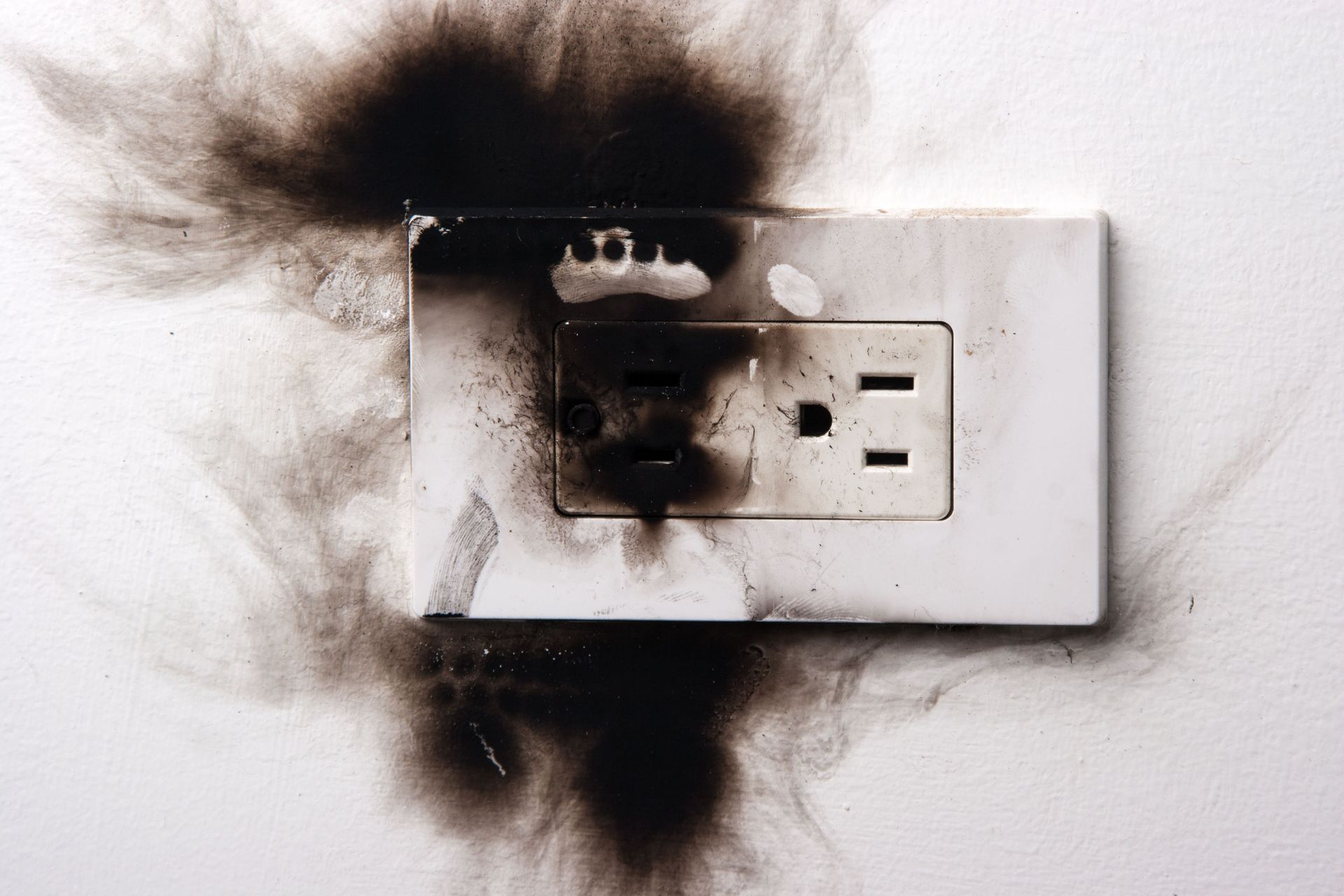
Childproofing outlets is also vital, especially in homes with young children. Tamper-resistant receptacles and outlet covers prevent accidental contact with live electrical components. Keeping cords organized and out of reach further reduces risk. Regular inspections help identify warning signs of faulty outlets, such as discoloration, buzzing, warmth, or burning smells. When these signs appear, contacting experienced local electricians is the safest response. Preventative action keeps small problems from developing into serious hazards.
3. Handle Household Appliances Properly
Appliances contribute significantly to everyday comfort, but improper usage can create substantial danger. Each appliance comes with a wattage rating that indicates its power requirements. Plugging high-wattage devices into overloaded circuits can quickly lead to overheating and electrical failure. Distributing appliances across different circuits helps maintain balanced electrical loads and reduces stress on wiring. Homeowners should also avoid using damaged cords or plugs, as these can spark short circuits and fires. Regularly reviewing appliance placement and usage habits promotes long-term efficiency and a safer electrical system.
Using appliances near water requires special care. Kitchens, bathrooms, and laundry areas present higher risks due to moisture. Ground fault circuit interrupters (GFCIs) should protect outlets in these areas, and hands should always be dry before touching electrical devices. Routine inspections of appliance cords for fraying, cracking, or loose connections prevent shock and fire hazards. Extension cords should only be temporary solutions, kept away from high-traffic areas and never placed under carpets or furniture. When appliances malfunction, disconnecting power and consulting local electricians ensures safe, code-compliant repairs.
4. Reduce Common Electrical Hazards
Electrical hazards often develop gradually, making them easy to overlook. Exposed wiring, outdated insulation, overloaded circuits, and aging electrical panels are common risks that require proactive attention. Conducting regular home walk-throughs helps homeowners identify warning signs before they become dangerous. Installing surge protectors, upgrading outdated wiring, and replacing worn components significantly reduce fire and shock risks.
Ground fault circuit interrupters and arc fault circuit interrupters (AFCIs) add valuable protection by detecting dangerous conditions and shutting off power instantly. AFCIs are particularly effective at preventing fires caused by damaged or deteriorating wiring. Keeping moisture away from outlets, sealing wet-prone areas, and responding quickly to spills further minimizes risk. When hazards are detected, skilled local electricians can assess conditions and recommend upgrades that align with current safety standards. Preventative strategies like these strengthen overall household safety while preserving property value.
5. Install and Maintain Safety Devices
Electrical safety devices act as the first line of defense against unforeseen dangers. Surge protectors shield sensitive electronics from power spikes, preventing costly damage and data loss. Smoke detectors provide early warnings of fire, allowing families to evacuate and respond before flames spread. These detectors should be installed near sleeping areas, kitchens, and major electrical hubs, and tested monthly to ensure proper operation. Replacing batteries regularly and upgrading outdated units ensures consistent performance and reliability. Pairing smoke detectors with interconnected alarm systems can further enhance safety by alerting everyone in the home simultaneously.
Automatic shutoff systems and smart electrical technologies further enhance safety. These devices monitor power flow and disconnect circuits during irregular activity, preventing damage and minimizing fire risks. Smart outlets and switches offer remote monitoring, enabling homeowners to track usage patterns and quickly address potential issues. Arc fault circuit interrupters provide added fire prevention by detecting hazardous arcing conditions. Regular testing and maintenance ensure that these safety tools remain dependable. Partnering with local electricians for proper installation guarantees reliable performance and full code compliance.
6. Educate and Prepare Your Household
Education plays a crucial role in maintaining a safe electrical environment. Teaching children basic safety principles, such as avoiding outlets and cords, instills lifelong awareness. Using age-appropriate resources and hands-on demonstrations makes these lessons more engaging and memorable. Regular family discussions about safety reinforce habits that prevent accidents. Encouraging children to ask questions helps clarify uncertainties and strengthens their understanding of potential dangers. Reinforcing positive behavior with praise and consistent reminders further builds confidence and long-term safety awareness.
Emergency preparedness is equally important. Conducting routine drills that include power shutoff procedures and evacuation plans ensures that everyone knows how to respond calmly during emergencies. Creating a detailed family safety plan with emergency contacts, escape routes, and panel locations eliminates confusion. Accessing educational resources, workshops, and community programs enhances understanding of evolving safety standards. Ongoing communication and training foster a culture of safety, supported by professional guidance from trusted local electricians.
Electrical safety is an essential responsibility for every homeowner, blending awareness, preparation, and proactive maintenance into daily life. By understanding electrical systems, using outlets and appliances wisely, reducing hazards, and installing reliable safety devices, families can significantly lower their risk of accidents. Regular inspections and professional upgrades ensure long-term reliability while supporting energy efficiency and code compliance. Most importantly, educating all household members promotes consistent safety practices that protect both people and property. For expert inspections, dependable repairs, and trusted guidance from experienced local electricians, contact Byrne Electrical Contracting today and take the next step toward a safer home.