By Paul Byrne
November 12, 2026
Electrical systems are essential to nearly every part of a home or business. From powering everyday appliances to providing lighting, heating, and access to modern technology, dependable electrical service helps keep properties functional and comfortable. However, electrical systems can develop problems over time due to aging components, regular wear and tear, improper installations, or unexpected damage. Even seemingly minor issues can become safety concerns if they are not addressed properly.
Knowing when to contact a professional can help property owners avoid unnecessary risks and prevent small problems from becoming larger repairs. A local electrician can identify the source of electrical trouble, recommend appropriate solutions, and ensure repairs meet applicable safety standards. Whether a property is experiencing frequent breaker trips, flickering lights, or malfunctioning outlets, professional electrical services can restore dependable operation.
According to Home Serve, nearly 81% of homeowners in the United States reported a home repair emergency in the past year, which includes issues with essential systems where professional electrical services are often needed. Understanding common electrical problems can help homeowners recognize warning signs and know when it is time to seek professional assistance.
Understanding Frequent Circuit Breaker Problems
Circuit breakers are designed to protect electrical systems by interrupting power when a circuit becomes overloaded or experiences a short circuit. Although an occasional breaker trip may not indicate a serious problem, repeated interruptions should not be ignored. Frequent breaker trips can suggest that a circuit is carrying more electrical demand than it can safely handle.
Overloaded circuits are a common reason breakers shut off. This can happen when several high-powered appliances operate on the same circuit. For example, running a microwave, space heater, and other electrical devices simultaneously may exceed the circuit's capacity. An electrician can evaluate the electrical load, identify which devices are contributing to the problem, and determine whether additional circuits or other adjustments are necessary.
Short circuits and faulty wiring can also cause breakers to trip unexpectedly. These problems may involve damaged insulation, loose connections, or deteriorating electrical components. A local electrician can inspect the affected circuit, locate the source of the interruption, and complete the necessary repairs. Replacing a breaker without identifying the underlying issue will not necessarily resolve the problem.
Identifying Flickering and Dimming Lights
Flickering or dimming lights can be more than an inconvenience. While a loose bulb or aging light fixture may be responsible, recurring changes in brightness can indicate an electrical issue that requires further investigation. Homeowners may notice lights flickering when an appliance starts, when multiple devices are operating, or without any obvious cause.
One possible explanation is an overloaded circuit. Large appliances, including refrigerators and air conditioning systems, can draw significant amounts of electricity when they start up. If the electrical system is not properly configured to handle the demand, nearby lights may temporarily dim. Persistent or widespread changes in lighting could point to other issues, such as loose wiring, deteriorating connections, or problems with the electrical service.
A local electrician can examine the affected fixtures, wiring, circuits, and connections to determine what is causing the changes in brightness. Depending on the findings, the solution may involve repairing a loose connection, replacing a damaged component, or addressing an overloaded circuit. Because electrical connections can create fire and shock hazards when damaged, homeowners should avoid attempting complicated repairs themselves.
Repairing Damaged or Malfunctioning Outlets
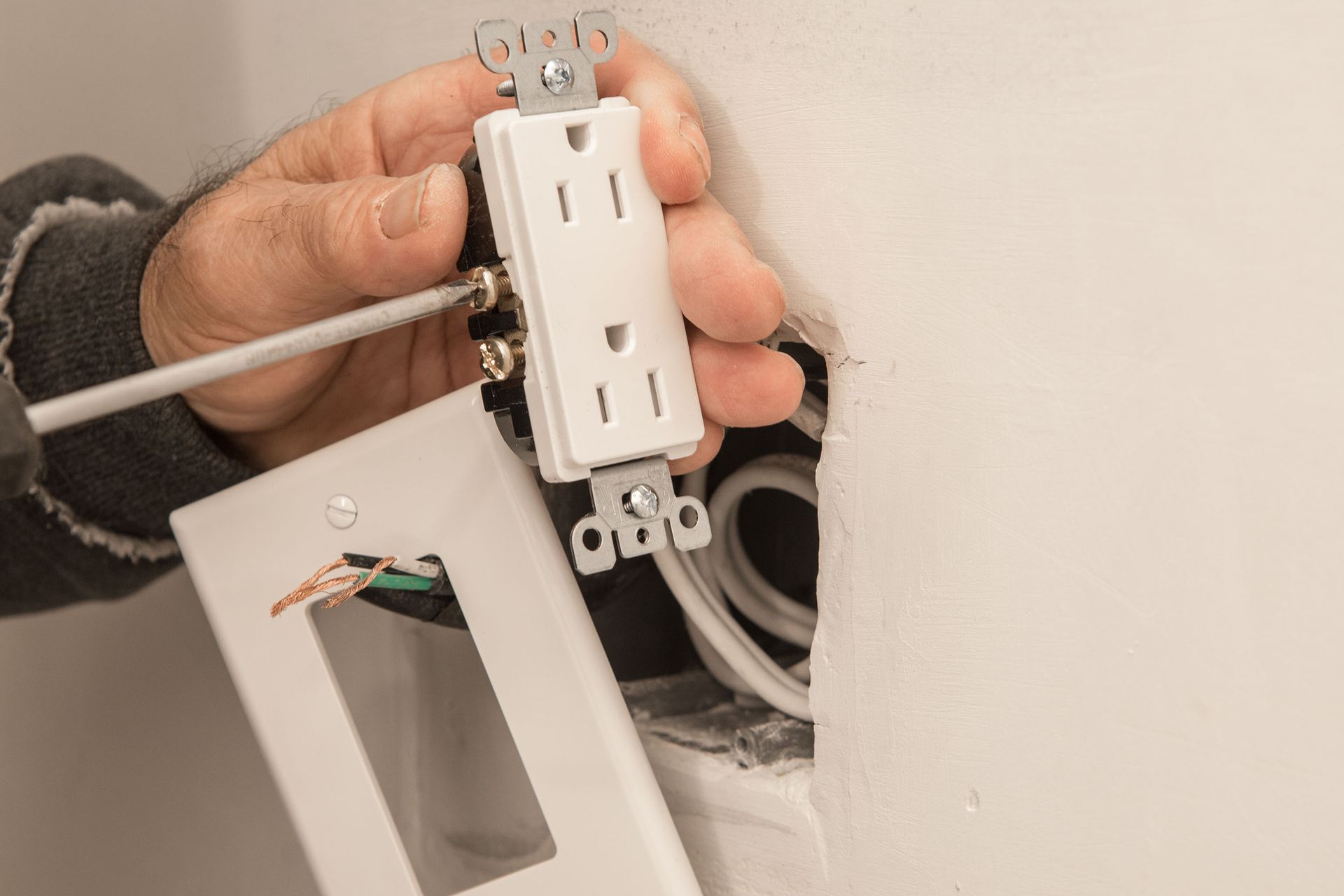
Electrical outlets receive frequent use, making them susceptible to wear and damage over time. An outlet may stop supplying power, become loose in the wall, or show visible signs of discoloration. Some homeowners may also experience outlets that work intermittently or produce unusual sounds when a device is plugged in.
These warning signs should receive attention because damaged outlets can create potential shock and fire hazards. A loose electrical connection may generate heat, while worn internal components can prevent an outlet from maintaining a secure connection with a plug. Burning smells, scorch marks, sparks, and unusual warmth are especially concerning.
Professional repairs may involve replacing the outlet, tightening or repairing wiring connections, or investigating a larger circuit problem. A local electrician can also determine whether the outlet needs additional protection. Ground-fault circuit interrupter (GFCI) outlets, for example, are designed to reduce the risk of electrical shock in areas where moisture may be present, such as kitchens, bathrooms, garages, and outdoor spaces.
If an outlet is hot, sparking, or producing a burning odor, homeowners should stop using it. If it is safe to do so, the affected circuit should be switched off, and a qualified professional should be contacted.
Addressing Outdated or Faulty Electrical Wiring
Electrical wiring is typically designed to last for many years, but it does not remain in perfect condition indefinitely. Older properties may contain wiring that no longer meets current safety expectations or is not suited to modern electrical demands. Damaged insulation, deteriorating connections, improper modifications, and outdated materials can all contribute to electrical problems.
Some warning signs of wiring issues include frequently tripping breakers, buzzing sounds, burning odors, discolored outlets, and lights that flicker without an obvious explanation. However, wiring problems are not always visible from the outside. Issues may exist behind walls, above ceilings, or inside electrical panels.
A professional inspection can help determine whether wiring needs localized repairs or more extensive replacement. A local electrician can evaluate the condition of the system, identify potential hazards, and recommend improvements based on the property's electrical needs. This may include replacing damaged wiring, updating connections, or improving circuit capacity.
Troubleshooting Electrical Panel Issues
The electrical panel serves as the central distribution point for electricity throughout a property. It directs power to individual circuits and contains breakers that help protect the system from electrical faults. Because it plays such an important role, problems involving the panel can affect multiple areas of a home or business.
Warning signs of panel trouble include breakers that will not reset, unusual buzzing or crackling noises, visible corrosion, and burning odors near the panel. Some properties may also have panels that are outdated or lack sufficient capacity for current electrical needs. Adding new appliances, installing equipment, or expanding a property can increase the demand placed on an existing panel.
A local electrician can inspect the panel to determine whether the problem involves a faulty breaker, loose connection, overloaded circuit, or another component. In some cases, a repair may be sufficient. Other situations may require a panel replacement or upgrade to accommodate the property's electrical requirements.
Resolving Frequently Occurring Power Outages
Unexpected power loss can interrupt daily routines, damage sensitive equipment, and make parts of a property difficult to use. While widespread outages are often caused by utility company issues or severe weather, recurring power problems that affect only one property may indicate an internal electrical issue.
A single room losing power could be connected to a tripped breaker, faulty outlet, damaged wiring, or an overloaded circuit. If multiple rooms experience intermittent power loss, the issue may involve the electrical panel or service connection. Identifying the exact cause is important because restoring power without addressing the underlying problem may allow the interruption to happen again.
A local electrician can investigate repeated outages by examining the affected circuits, checking electrical connections, and evaluating the panel. If the issue appears to originate outside the property, the electrician may recommend contacting the utility provider.
Homeowners should also pay attention to unusual patterns, such as power loss whenever a particular appliance operates. Sharing these details with an electrician can help narrow down potential causes and make troubleshooting more efficient.
A qualified local electrician can diagnose electrical issues, complete necessary repairs, and recommend improvements that support the property's long-term safety and functionality. Routine inspections and timely attention to warning signs can also help property owners maintain dependable electrical systems.
By understanding common electrical problems and knowing when to seek professional assistance, homeowners can take a more proactive approach to electrical maintenance. Addressing concerns early helps keep essential systems operating properly while reducing the potential for unexpected disruptions and hazardous conditions. Contact Byrne Electrical Contracting today to speak with a
local electrician you can rely on.